
Without the canals, Amsterdam would simply not feel like Amsterdam. The city’s canal belt gives the historic centre its shape, atmosphere and rhythm. It is the reason Amsterdam looks so different from most other European capitals and why a walk here can feel just as memorable as visiting a museum or major landmark. The waterways were created as part of a clever expansion plan, but today they do much more than tell a story from the past. They frame the famous canal houses, create some of the city’s best views, and remain an important part of everyday life.
For visitors, the canals are often the first thing that makes Amsterdam feel unmistakably special. You see houseboats tied up along the edges, cyclists crossing bridge after bridge, tour boats gliding under low arches, and narrow gabled houses reflected in the water. It is scenic, but it is also practical, historic and very alive. In this guide, you will find the most useful facts about Amsterdam’s canals, what makes the canal belt so distinctive, which bridges and neighbourhoods stand out, and why a boat trip is still one of the best ways to experience the city.
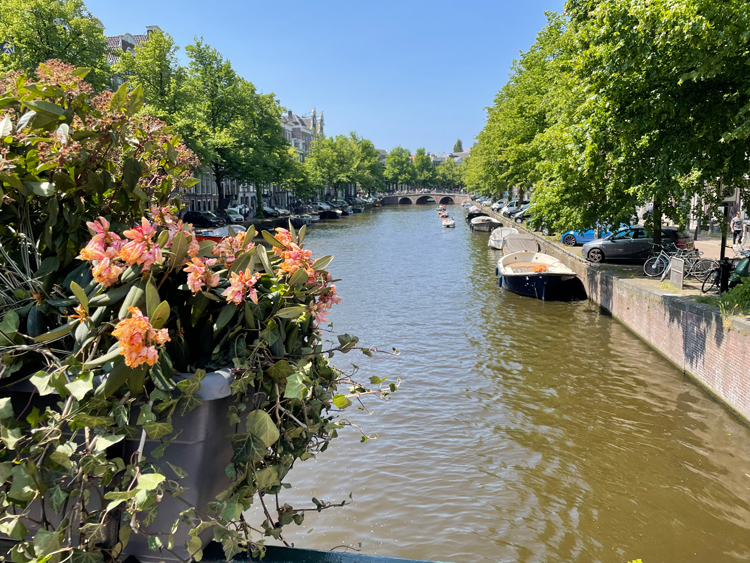
Why Amsterdam’s canals are so special
Amsterdam’s canal belt is not just beautiful by accident. It was designed as a smart and ambitious city expansion, with water management, transport, defence and urban planning all playing a role. The best-known part of the system is the ring of canals that curves around the old city centre. That layout is one of the reasons Amsterdam feels so open and structured at the same time. Instead of straight blocks and rigid lines, the city unfolds in graceful arcs that create constantly changing views.
The three most famous canals are the Herengracht, Keizersgracht and Prinsengracht. Together, they form the heart of the canal belt that most visitors picture when they think of Amsterdam. Between them lie elegant merchant houses, historic warehouses, hidden courtyards, houseboats and small streets that invite you to keep wandering. This is also where you get that classic Amsterdam feeling: a quiet waterside view one moment, then a lively café, market street or shopping lane just around the corner.
What makes the canal area especially rewarding is that it works on different levels. You can admire it from a bridge, follow it on foot, cycle along the water, or see it from a boat. Each perspective shows you something different. From the street, you notice the leaning facades, steps down to the water and the character of each neighbourhood. From the water, you understand how the city was shaped and why the canal belt feels so harmonious.
Facts about the canals
Amsterdam has 165 canals stretching for around 75 kilometres through the city. That alone already says a lot about how deeply water is woven into the identity of the Dutch capital. The canal network is much larger than many visitors expect, and while the central belt gets most of the attention, canals run through many different parts of Amsterdam.
The oldest canal in the city dates back to the medieval period, long before the famous seventeenth-century expansion gave Amsterdam its most recognisable shape. That mix of medieval origins and later large-scale planning is part of what makes the city centre so interesting. You are not looking at a single project from one moment in time, but at layers of Amsterdam’s development.
One canal that often surprises visitors is the Keizersgracht, known for its broad feel and stately setting. The Prinsengracht, meanwhile, is often the canal many people remember most, simply because it runs past so many appealing parts of the centre and feels lively without losing its historic charm. The Singel is another familiar name, especially because it marks the old edge of the medieval city in parts of the centre and is easy to combine with shopping streets and major sights.
Bridges are a huge part of the canal experience too. Amsterdam has more than 1,200 bridges across the city, so you are never far from another waterside view. Some are simple and practical, others are unmistakably photogenic. Together they give the city its rhythm. You cross one, look down the canal, spot a row of houseboats, then continue to the next.
The Skinny Bridge and other canal highlights
The most famous bridge in Amsterdam is the Magere Brug, better known in English as the Skinny Bridge. It crosses the Amstel and is one of the city’s best-known postcard sights. The current bridge dates from the twentieth century, but there were older bridges here before it, which is why the place has such a long story. Even if you do not know the history in detail, it stands out immediately because of its white wooden drawbridge design and its elegant position over the river.
The Skinny Bridge is especially lovely in the evening, when the lights along the water give this part of the city a softer and more romantic atmosphere. It is also a spot that works well as part of a walk, not just as a quick photo stop. If you continue through the canal area from here, you can easily combine it with quieter waterside streets, wider views along the Amstel and some of the city’s classic seventeenth-century facades.
Another canal detail many visitors enjoy is how different the waterways feel from one area to the next. Around the grand canals, the atmosphere is more stately and architectural. In the Jordaan, the canals feel more intimate and local, with smaller streets, independent shops and a more lived-in character. Around the 9 Streets, the canal belt becomes one of the nicest areas in the centre for browsing boutiques, stopping for coffee and simply wandering without a strict plan.
What the canals were used for
The canals were never built only to look attractive. They played a major practical role in making Amsterdam work. Water had to be controlled carefully in this low-lying landscape, and the canal system helped with drainage, transport and the organised expansion of the city. Soil from digging the canals was also used to raise surrounding land, which made urban growth possible in a wet and difficult environment.
In later centuries, the canals had all kinds of functions. They were transport routes for goods, links between warehouses and homes, and part of the wider system that helped shape trade in Amsterdam. Like many historic waterways, they also had less glamorous uses in the past, including waste disposal and water storage for fire-fighting. That practical side is part of their real history, even if most visitors now know them mainly as one of Europe’s most beautiful city landscapes.
Today the canals still matter in everyday Amsterdam. You see private boats, delivery traffic on the water, floating homes, tour boats and locals out for a relaxed ride on sunny days. They are not a frozen backdrop from the past. They remain active and visible, which is one of the reasons the city centre never feels like an open-air museum.
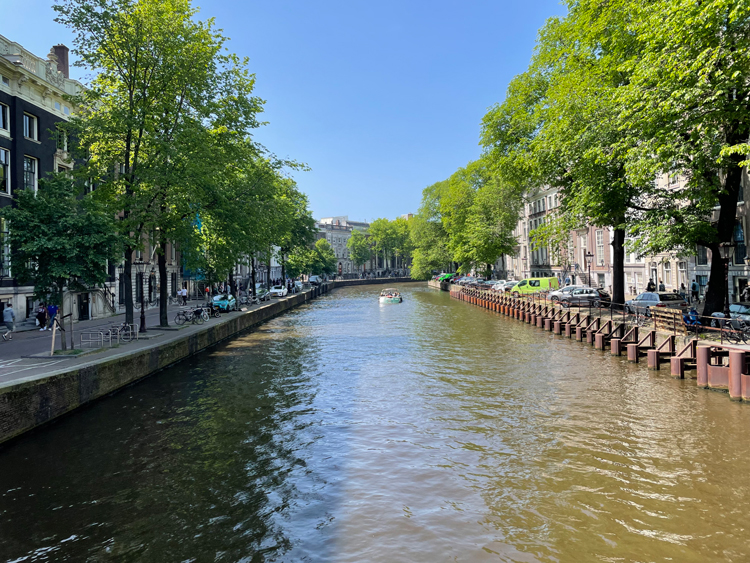
Festivals and atmosphere on the water
The canals are also the setting for some of Amsterdam’s best-known public events. On King’s Day, the city turns orange and the water becomes part of the celebration. Boats fill the canals, quays become crowded and the whole centre takes on a festive, slightly chaotic atmosphere. Even if you do not go out on a boat yourself, it is one of the most striking days to see how deeply the canals are woven into city life.
Amsterdam Pride also has a world-famous canal event. The Canal Parade is one of the city’s most recognisable celebrations, with decorated boats, music and large crowds along the route. It is colourful, busy and unmistakably Amsterdam. This is not just a parade next to the canals, but one that uses the waterways as its stage.
There is also the Grachtenfestival, which brings music to special locations across the city, many of them in and around the canal belt. That gives the area a different mood altogether. Instead of one big party atmosphere, you get a more cultural and summery feel, with performances that make good use of the surroundings.
As for skating on the canals, that is something people love to imagine, but it is not a normal winter activity you can count on during a city break. It only becomes possible in exceptionally cold weather. When it does happen, it feels magical, but it is very much the exception rather than a standard Amsterdam winter experience.
How to explore the canals best
The best way to enjoy Amsterdam’s canals is not to rely on just one approach. A boat cruise is excellent because it lets you experience the city from the level it was designed around. You glide past warehouses, canal houses, bridges and houseboats in a way that makes the layout of the city immediately clear. It is one of the easiest and most relaxing introductions to Amsterdam, especially if it is your first visit.
At the same time, it is worth exploring part of the canal belt on foot as well. Walking lets you notice details you miss from the water: the hooks at the tops of canal houses, the steps down to the quay, little cafés tucked into side streets and the contrast between grand facades and quieter residential stretches. If you enjoy discovering the city at your own pace, have a look at these walking routes in Amsterdam for ideas that combine the canal area with nearby neighbourhoods.
A very good plan for many visitors is to do both. Start with a cruise to get your bearings, then spend a few hours walking through the areas you liked most. That way you get the wide overview and the smaller local details.
Boat cruises through the canals of Amsterdam
Canal cruise
A canal cruise remains one of the most popular things to do in Amsterdam for a simple reason: there is no better way to understand the city’s layout and atmosphere in such a comfortable way. From the water, you see the arches of the bridges, the line of the canal houses and the scale of the historic centre all at once. It is a very easy activity to fit into almost any itinerary, whether you are in Amsterdam for one day or a longer trip.
Most standard cruises take around an hour and follow one of the classic routes through the centre. Along the way you usually pass well-known sights, elegant merchant houses and some of the city’s most photogenic stretches of water. Many cruises also offer multilingual audio commentary, which makes them practical for international visitors and a good option if you want some background without joining a formal guided tour.
If you want a broader overview of the options, timings and cruise styles, this page with more information about boat cruises in Amsterdam is the best place to continue.
Evening cruise in the canals of Amsterdam
An evening cruise has a different feel altogether. As daylight fades, the reflections in the water become softer, the bridges start to stand out more clearly and the canal houses feel even more atmospheric. This is a good option if you have already walked around the centre during the day and want to experience the city from another angle.
Evening cruises tend to feel calmer and more atmospheric than daytime departures, especially outside the busiest moments of the year. For couples, first-time visitors and anyone who enjoys seeing the city lit up after dark, this can easily become one of the highlights of a trip. You still get the scenery and the historic setting, but with a more relaxed and memorable mood.
Why the canals belong on every Amsterdam itinerary
There are plenty of famous sights in Amsterdam, but the canals are the thread that ties the city together. You do not visit them in the same way you visit a single museum or attraction. They shape the views, the routes, the neighbourhoods and even the pace of your day. You notice them when you walk to breakfast, when you cross a bridge on the way to a museum, when you browse shops in the centre and when you sit on a boat watching the city slide by.
That is exactly why they matter so much. The canals are not just another thing to tick off. They are the setting for Amsterdam itself. Spend time around them, walk along them, cross them, photograph them and, if you can, get out on the water too. That is when the city makes the most sense.