
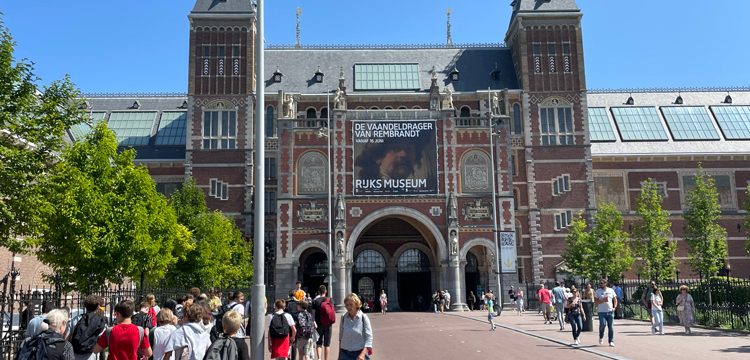
The Rijksmuseum is one of the best places to visit in Amsterdam if you want to understand the city, the Netherlands and Dutch art in one museum. We still remember how impressive it felt to walk through the Gallery of Honour and end up face to face with Rembrandt’s The Night Watch. Even if you are not someone who normally spends hours in museums, this is the kind of place that quickly pulls you in. The building is beautiful, the collection is world-famous and there is enough variety to keep both first-time visitors and serious art lovers interested.
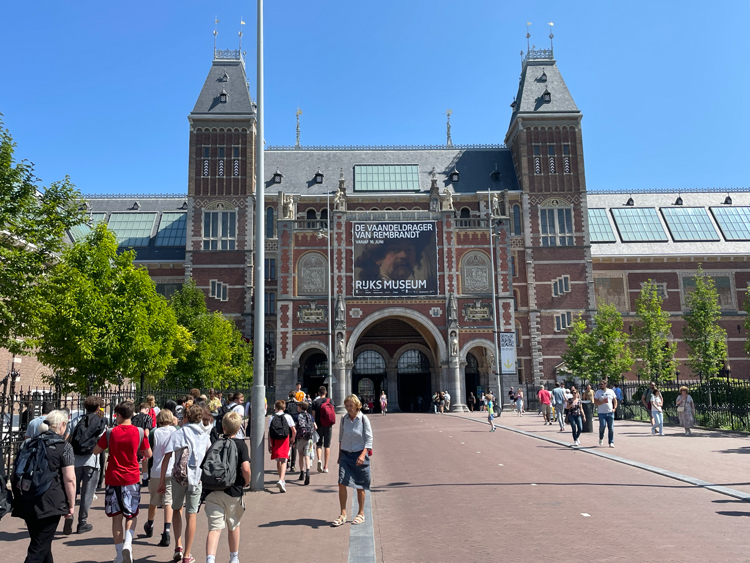
Why the Rijksmuseum is worth visiting
The Rijksmuseum is the national museum of the Netherlands and one of the absolute highlights of a city trip to Amsterdam. Inside, you move through centuries of Dutch art, design and history, from medieval religious works and decorative arts to Golden Age masterpieces and more modern pieces. It is not a small museum you rush through in an hour. This is a place where you can easily spend half a day, especially if you want to see the famous works and still have time to enjoy the rooms, details and atmosphere.
What makes the Rijksmuseum so appealing is that it is not only for people who already know a lot about art. The museum is laid out in a way that makes it easy to focus on the big highlights first and then explore more if you feel like it. That makes it a strong choice for first-time visitors to Amsterdam, families, couples and anyone planning a cultural afternoon around Museumplein.
The location also helps. The Rijksmuseum sits right in Amsterdam’s museum quarter, close to the Van Gogh Museum, the Stedelijk Museum and the Concertgebouw. If you want to turn your day into a full cultural itinerary, this is one of the easiest areas in the city to build around.
What you can expect inside
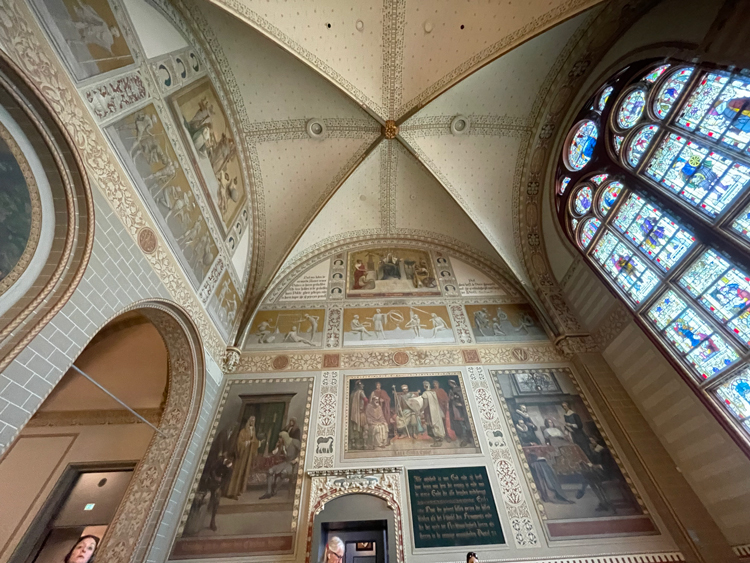
The Rijksmuseum is best known for Dutch Masters, but the experience is broader than that. You will find paintings, sculpture, decorative arts, ship models, Delftware, fashion, Asian art, historical objects and beautifully designed galleries that feel almost as memorable as the works themselves. The collection covers many centuries, so the museum never feels limited to one style or period.
If you are visiting for the first time, it helps to know that you do not need to see everything. Many people make the mistake of trying to cover every room and end up rushing. A better approach is to focus on the major highlights first, then spend the rest of your visit following your own interests. That could be Dutch Golden Age painting, ceramics, furniture, maritime history or the quieter rooms away from the busiest route.
The Gallery of Honour
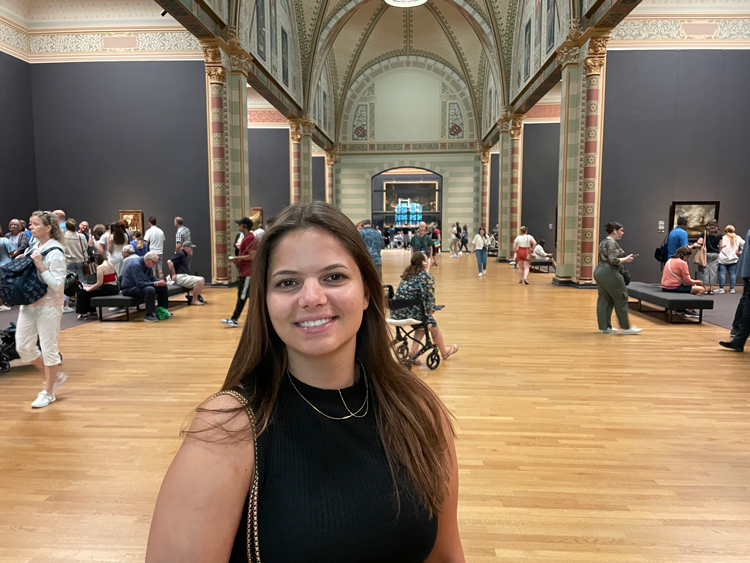
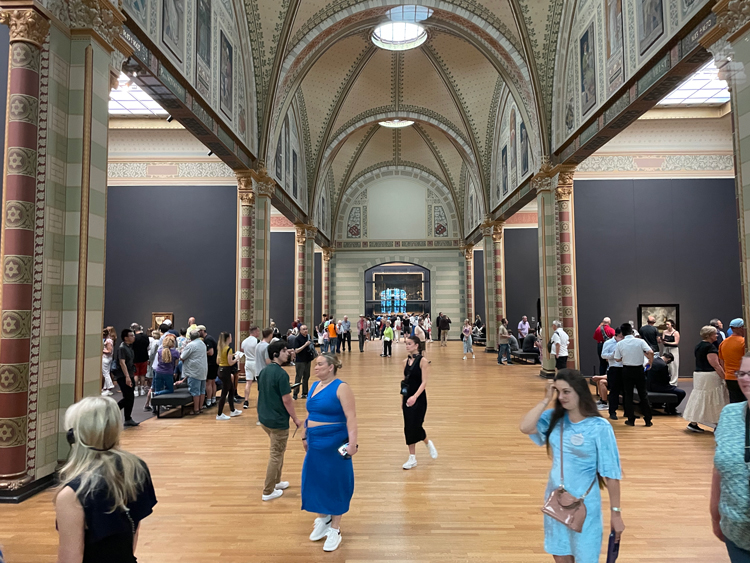
This is the section many visitors head for first, and for good reason. The Gallery of Honour is one of the most impressive spaces in the museum and brings together some of the most famous seventeenth-century paintings in the Netherlands. The route naturally leads you toward the Night Watch Gallery, but the side rooms and surrounding works are just as rewarding.
The Night Watch
Seeing Rembrandt’s The Night Watch in person is one of the defining Rijksmuseum experiences. Reproductions never really prepare you for the scale, the drama and the amount of movement inside the painting. Even when the gallery is busy, it still feels like a special moment. This is the painting most people come for, and it absolutely lives up to that expectation.
The Milkmaid and other masterpieces
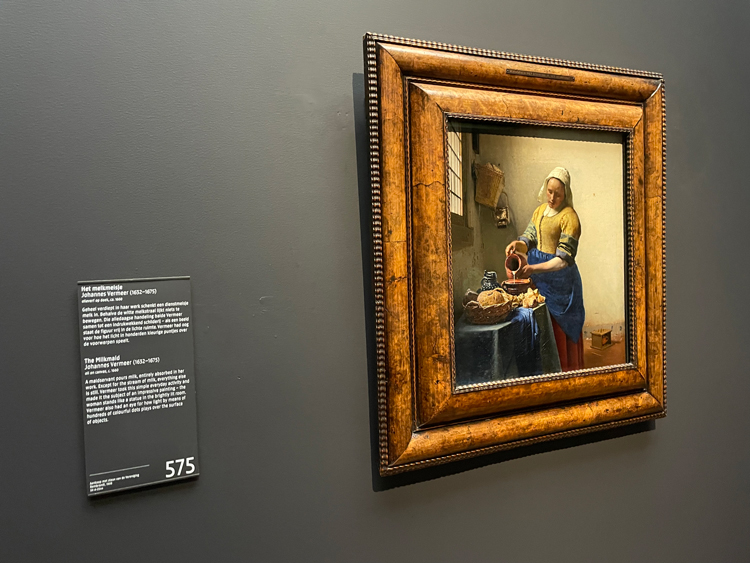
Johannes Vermeer’s The Milkmaid is another must-see. It is smaller and quieter than The Night Watch, but that is exactly what makes it so powerful. You also have a good chance of discovering works you did not expect to care about before walking in. That is part of the fun here: the famous names pull you in, but the smaller surprises often stay with you just as long.
The Standard-Bearer and why it matters
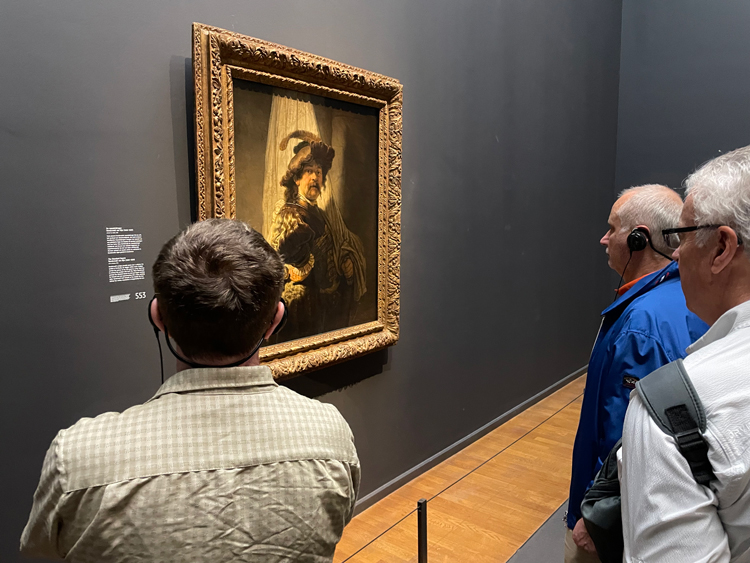
One of the standout Rembrandt works in the museum is The Standard-Bearer. What makes this painting so interesting is that it shows Rembrandt at an important moment in his development. You can already see the confidence, experimentation and showmanship that would later lead to some of his most celebrated works. It also adds context to the wider Rembrandt story inside the museum, so it is worth making time for even if it is not the painting you came for first.
For many visitors, the appeal of the Rijksmuseum is not just seeing one world-famous canvas, but understanding how the masterpieces connect. When you see The Standard-Bearer, The Milkmaid and The Night Watch as part of one visit, the museum starts to feel less like a checklist and more like a journey through Dutch artistic ambition.
How much time do you need?
If you want to see the main highlights without feeling rushed, set aside at least two to three hours. If you enjoy museums and want a more complete visit, four hours is realistic. A full deep dive can easily take longer. The museum is large, and the temptation to stop constantly is part of the experience.
We would recommend arriving with a simple plan. Pick your top priorities first, such as the Gallery of Honour, The Night Watch, Vermeer, the special collections and one or two sections you are personally curious about. That way you will leave feeling satisfied, even if you do not cover every room.
Tickets and practical tips
The Rijksmuseum works with timed entry, so booking your ticket in advance is the smart move. Adult tickets currently cost €25 and entry is free for visitors under 18. Because the museum is so popular, pre-booking helps you avoid disappointment and lets you choose a start time that fits the rest of your day.
If you are comparing attractions, it can also be worth checking whether an Amsterdam pass makes sense for your trip. That depends entirely on how many museums, cruises or other paid sights you plan to visit. If you are still building your itinerary, have a look at our overview of the best museums in Amsterdam to see what combines well with the Rijksmuseum.
Opening hours and the best moment to visit
The museum is open daily, and because it is one of Amsterdam’s biggest attractions, it can get busy in the middle of the day. If your schedule allows it, go earlier in the morning or later in the afternoon for a calmer experience. The busiest moments are often when large numbers of day-trippers and tour groups arrive around late morning.
If seeing the highlights without heavy crowds matters to you, do not leave your visit until the peak hours. A slightly earlier start usually makes the whole experience feel more relaxed, especially in the most famous galleries.
The Rijksmuseum app
The free Rijksmuseum app is genuinely useful and not just an extra download you will ignore. It can help with tickets, navigation and multimedia tours, and it is especially handy if you want more background while walking through the museum at your own pace. Instead of joining a group, you can move independently and still get context around the major works.
That makes a big difference in a museum this size. A good app helps you avoid wandering without direction, and it can turn a short visit into something much richer. It is worth downloading before you arrive so you can start using it right away.
Where to eat at the Rijksmuseum
If you want to combine your museum visit with a good meal, RIJKS® is the best-known dining option on site. The restaurant is located in the Philips Wing and is known for refined dishes built around Dutch ingredients and seasonal products. This is the place to book if you want to turn your museum day into a more special lunch or dinner.
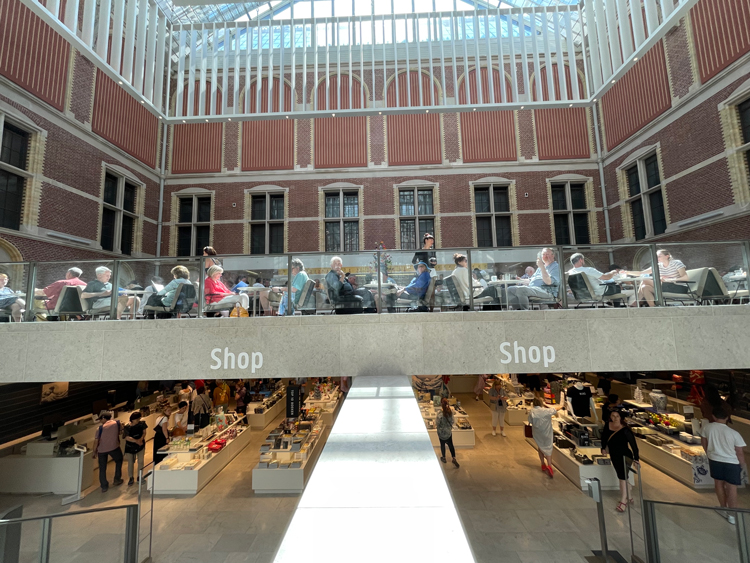
For something easier and quicker, the museum also has more casual options for coffee, lunch, drinks and snacks. That is useful if you do not want to leave the area in the middle of your visit or if you simply need a break before continuing. The big advantage is convenience: you can stay in the museum rhythm without losing time searching elsewhere.
How to get to the Rijksmuseum
The Rijksmuseum is easy to reach by public transport. From Amsterdam Central Station, tram 2 and tram 12 are among the most convenient options toward the museum area. From Amsterdam Zuid, tram 5 is a common choice, and metro line 52 to Vijzelgracht is another practical route followed by a short walk. If you are coming from Amsterdam Amstel, public transport connections are also straightforward, with tram and metro combinations depending on the moment you travel.
The exact best route can change due to works or diversions, so checking a live planner on the day itself is always wise. In general, though, this is one of the easiest major museums in Amsterdam to reach without a car.
Once you are in the area, you are also close to Museumplein and several other attractions. That makes it easy to combine your visit with a walk through the neighbourhood or with something else later in the day, such as a canal cruise in Amsterdam.
Parking near the Rijksmuseum
Driving into central Amsterdam is possible, but it is usually not the easiest or cheapest option. If you do come by car, Q-Park Museumplein is one of the most practical nearby parking garages for the Rijksmuseum. From there, you can walk to the museum in a matter of minutes. Do keep in mind that parking prices in Amsterdam are high and can change, so reserving ahead is often the best approach.
If you are staying in the city itself, public transport is normally the smoother option. You avoid traffic, parking stress and city-centre rates, and you get dropped much closer to the entrance area.
Our final thoughts
The Rijksmuseum is not just a museum you visit because everyone tells you to. It is one of those places in Amsterdam that genuinely justifies the hype. The collection is exceptional, the setting is impressive and the overall experience feels accessible even if you are not an art expert. If you only have room for one major museum during your trip, this is one of the safest and strongest choices you can make.
Book your ticket in advance, give yourself enough time and do not try to rush the whole thing. Focus on the highlights, allow room for a few surprises and enjoy the fact that some of the most famous artworks in Europe are all under one roof.
Ready to visit?