

Zaanse Schans is one of the easiest and most rewarding day trips from Amsterdam if you want to see classic Dutch windmills, green wooden houses, old workshops and open-air heritage in one place. The setting feels postcard-perfect, but there is more here than just pretty views. This is a historic village where you can walk past working mills, visit small museums, step inside traditional craft buildings and get a much better sense of how the Zaan region helped shape Dutch trade and industry. If you are planning a visit, this guide will help you decide what is worth your time, what is free to see and how to make the most of your day.
- Why visit Zaanse Schans?
- How to get to Zaanse Schans from Amsterdam
- Do you need a ticket?
- Best things to see at Zaanse Schans
- Zaans Museum and Verkade Experience
- Practical tips for your visit
- Is Zaanse Schans worth visiting?
Why visit Zaanse Schans?
Zaanse Schans is often described as an open-air museum, but it feels more like a heritage village that you can explore at your own pace. The area is known for its traditional wooden houses, working windmills, waterside views and old Dutch crafts. It is one of those places that works well for first-time visitors to the Netherlands because it gives you a very recognisable image of the country without needing a full countryside road trip.
What makes it more interesting than a simple photo stop is the industrial story behind it. The Zaan region played a major role in Dutch production and trade for centuries. That is why you do not only find decorative mills here. You find mills connected to real industries such as sawing wood, grinding pigments, producing oil and processing spices. Once you understand that, the visit becomes much richer than just walking past a few pretty buildings.
It is also an easy place to enjoy without overplanning. You can keep it simple and just stroll around the village, or you can turn it into a half-day or full-day trip by entering the museums, climbing inside a windmill and combining it with nearby places such as Zaandam or even Volendam if you want to see more of the Dutch countryside.
How to get to Zaanse Schans from Amsterdam
One of the reasons Zaanse Schans is so popular is that it is very easy to reach from Amsterdam. If you are travelling by train, the usual route is from Amsterdam Centraal to Zaandijk – Zaanse Schans. The train journey is short, and from the station you walk to the village. The walk is straightforward and usually part of the experience, because you gradually leave the station area behind and enter a much more traditional landscape.
If you want a step-by-step explanation before you go, this guide on the easiest way to get from Amsterdam to Zaanse Schans is especially useful. It helps if station signs or local transport options feel confusing at first.
Buses are another option, and they can be convenient depending on where you are staying in Amsterdam. If you are driving, it is still possible to visit by car, but public transport is often the smarter choice. Parking around Zaanse Schans can be limited, and the area is much nicer to approach without the hassle of traffic or parking machines.
For most visitors, the easiest plan is simple: leave Amsterdam in the morning, arrive before the busiest part of the day and give yourself enough time to wander. That pace suits Zaanse Schans much better than rushing through it.
Do you need a ticket?
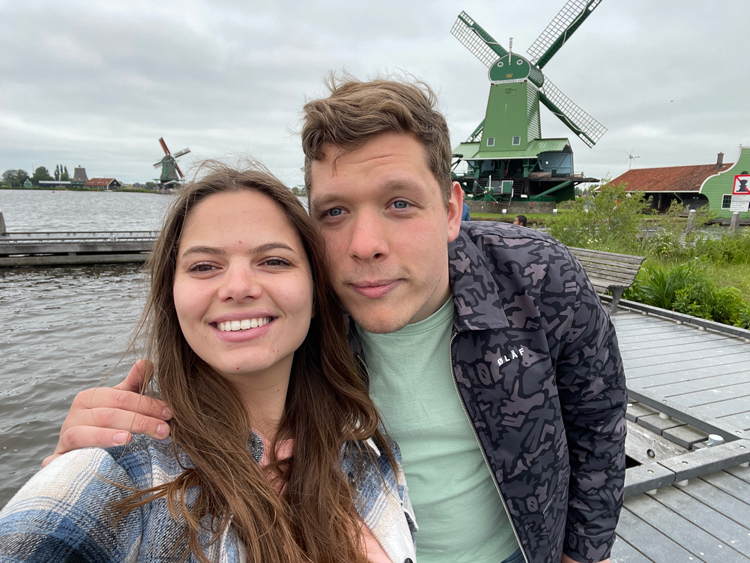
This is one of the most important things to understand before you visit. You do not need a ticket to walk around Zaanse Schans itself. The village area is freely accessible, so you can enjoy the atmosphere, take photos, browse shops and see the windmills from the outside without paying for general entry.
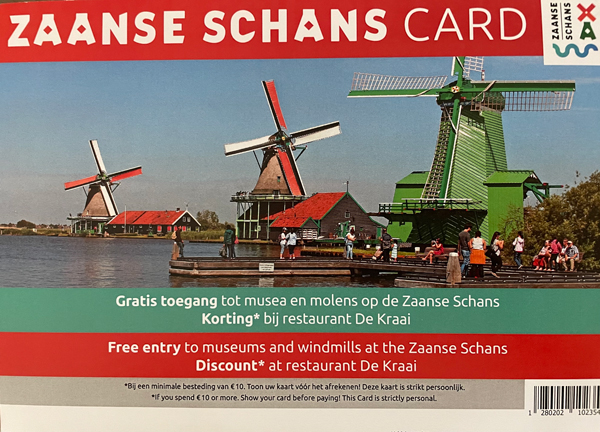
You only need a ticket if you want to enter the participating museums, heritage houses and selected windmills. That is where a Zaanse Schans ticket or card can be useful. Check Zaanse Schans Card availability It is the better option for visitors who want to go inside several places instead of only walking around outside. If your goal is just to see the iconic scenery, you can absolutely visit without booking a full attraction pass.
That difference matters because some people arrive expecting a closed attraction with one entrance gate, and that is not really how this place works. Think of it instead as a heritage area with a free public village and a set of individual indoor experiences that become more worthwhile if you plan to do several of them.
Best things to see at Zaanse Schans
If this is your first visit, the windmills are naturally the main draw. Even before you step inside one, walking along the water with the mills turning in the background is the classic Zaanse Schans experience. It is scenic in almost every season, and it is one of the easiest places near Amsterdam to get that instantly recognisable Dutch landscape.
The windmills
The windmills are not all the same, which is exactly why they are worth more than a quick photo. Historically, mills in this region were used for practical industrial work. Some were involved in sawing timber, others in producing oil, grinding pigments or processing raw materials. When you go inside one, the visit feels much more real because you see how narrow, noisy and mechanical these buildings actually are.
Two of the best-known mills for visitors are De Kat and Het Jonge Schaap. De Kat is especially interesting because of its connection to pigment and paint production. Het Jonge Schaap is a sawmill and usually one of the most memorable examples if you want to understand how wind power helped transform timber processing in the Zaan region. Entering a windmill is one of the best upgrades you can make to your visit because it turns the day from a scenic walk into a more complete heritage experience.
The village itself
Do not make the mistake of only rushing from one attraction to the next. A large part of Zaanse Schans’ appeal is simply walking through the village. The green timber houses, narrow paths, small bridges and waterside views all contribute to the atmosphere. Some of the houses are historical reconstructions or relocated buildings, while others add to the lived-in feeling of the area. Even when it is busy, there are still moments where the place feels calm, especially if you pause near the water or take a slower route away from the busiest photo points.
Traditional crafts and small heritage sites
Another reason the area works well for families and first-time visitors is that there are several smaller places that break up the visit nicely. Depending on what is open on the day, these can include the Weaver’s House, the coopery and Museum Zaanse Tijd. These are not huge, blockbuster attractions, but that is part of their charm. They add texture to the day and help you understand that Zaanse Schans is about old skills and daily life as much as it is about windmills.
The coopery is especially nice if you like seeing traditional workmanship up close. The Weaver’s House gives you a better sense of domestic and textile-related life in the region. Museum Zaanse Tijd is more specialised, but it can be a surprisingly good stop if you enjoy small museums with character instead of big, generic displays.
Cheese, clogs and classic Dutch photo moments
Yes, Zaanse Schans is touristy in places, but that does not mean it is not fun. Many visitors enjoy stopping by the cheese farm, watching a clog-making demonstration or taking the inevitable wooden-shoe photo. These are lighter, more playful parts of the visit, and they work especially well if you are travelling with children or just want the more classic Dutch day-trip experience.
That mix is part of why the destination remains popular. You can come for industrial heritage and museum detail, or you can simply enjoy windmills, photos, snacks and a relaxed walk by the river. Both approaches work here.
Zaans Museum and Verkade Experience
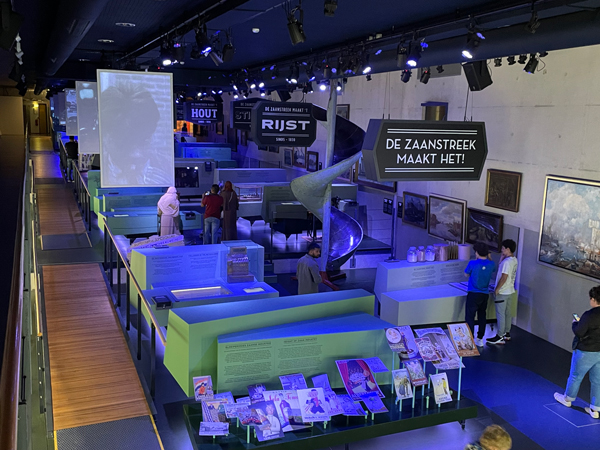
If you only have time for one museum stop, Zaans Museum is usually the best choice. It gives useful context to the wider story of the region and helps connect the outdoor heritage village to the broader industrial and cultural history of the Zaan area. That makes the whole visit feel more coherent.
The museum is a good option if the weather is not ideal or if you want something more substantial than just walking outside. It is also where you start to see that the Zaan region was not only picturesque but also commercially important. That balance between beauty and industry is what makes the destination different from many other day trips near Amsterdam.
The Verkade Experience
Inside the Zaans Museum, the Verkade Experience is one of the most enjoyable parts for many visitors. It recreates the atmosphere of an early twentieth-century biscuit and chocolate factory and tends to be one of the most accessible sections for both adults and children. If you like places that feel a little more lively and less purely informative, this is usually one of the stronger indoor stops at Zaanse Schans.
Together, the museum and the outdoor heritage area make a good combination. You can start outside with the scenery and windmills, then head indoors for context, or do the reverse if the weather is grey and chilly.
Practical tips for your visit
The biggest practical tip is to arrive early if you can. Zaanse Schans is well known and gets busy, especially on pleasant days and during holiday periods. Early morning is usually more relaxed for photos, for walking near the mills and for enjoying the village before the busiest tour groups arrive.
It is also worth checking in advance which indoor locations are open on the day you plan to visit. The village itself is accessible every day, but the museums, mills and smaller heritage locations do not always all follow the same schedule. If you specifically want to enter a windmill or visit several museums, a little planning helps.
Wear shoes that are comfortable for walking rather than treating this as a quick city attraction. Even though the area is manageable, the visit becomes much better when you allow time to wander. You may end up walking more than expected between the station, the museum area, the mills and the quieter paths around the water.
If you are deciding whether to book a guided excursion or go independently, both can work. A guided tour is convenient if you want transport arranged for you and prefer a more fixed schedule. Independent travel is often better if you want the freedom to linger, take photos, have lunch slowly or combine the day with nearby places on your own terms.
For visitors staying outside the centre, it can also be smart to think of Zaanse Schans as part of a wider area rather than as a one-stop outing. Nearby Zaandam is useful for shopping, a meal or even an overnight stay if you want a calmer base than Amsterdam itself.
Is Zaanse Schans worth visiting?
Yes, especially if you want an easy countryside-style trip without going far from Amsterdam. It is one of the most accessible places to see windmills, traditional Dutch architecture and small-scale heritage in a setting that still feels scenic and recognisable. You can keep the visit light and simple, or you can make it more in-depth by entering the museums and windmills.
The key is to go in with the right expectation. Zaanse Schans is not a remote hidden village. It is a well-known heritage destination, so there will usually be other visitors, souvenir shops and organised tours. But that does not take away from the setting. If you arrive at a sensible time, walk beyond the busiest corners and choose one or two indoor stops that genuinely interest you, it is still a very enjoyable day out.
For many travellers, that is exactly why it works so well. It gives you the Dutch windmill experience people hope to find, but it does so in a way that is practical, easy to reach and flexible enough for different travel styles. Whether you visit for the history, the photographs, the museums or simply the atmosphere, Zaanse Schans remains one of the strongest day trips from Amsterdam.
Check Zaanse Schans tour availability from Amsterdam
Explore more areas and trips in our guide to Amsterdam neighbourhoods and day trips.