

Amsterdam is one of those cities that feels made for walking. The streets are compact, the scenery changes quickly from grand canals to quiet courtyards, and almost every neighbourhood has something worth slowing down for. You can spend an entire day here on foot and still feel like you have only scratched the surface. That is exactly why walking routes in Amsterdam work so well. They are not just a way to get from one attraction to the next, but one of the best ways to actually experience the city.
If you are visiting for the first time, a good walk will show you the canals, the historic centre, the museum district and the local character of areas like the Jordaan. If you have already been to Amsterdam before, walking is still the easiest way to discover quieter streets, small bridges, local cafés and corners that many visitors rush past. Below, you will find a selection of the best walking routes in Amsterdam, each with its own atmosphere and highlights.
Why Amsterdam is perfect for walking
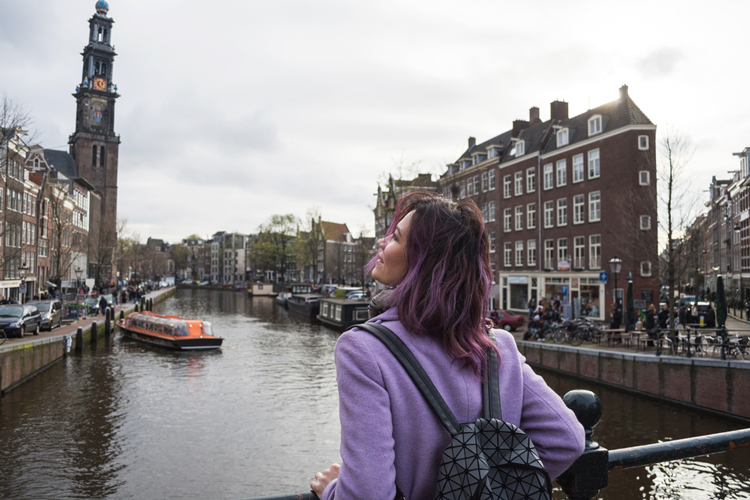
Amsterdam is relatively small compared to many other European capitals, and much of what visitors want to see is close together. The canal belt, the old centre, Museumplein and the Jordaan are all within walking distance of each other. That means you can explore a lot without constantly using public transport. It also gives you the freedom to stop whenever something catches your eye, whether that is a canal view, a local bakery, a flower-filled bridge or a hidden courtyard.
Walking also helps you understand the city better. Amsterdam is not only about famous attractions. It is about the rhythm of daily life along the canals, houseboats tied to old quay walls, cyclists gliding past in every direction, and neighbourhoods that each feel slightly different from the last. A route on foot lets you notice those details in a way that a tram ride never can.
1. The classic canal walk
If there is one route that belongs on every Amsterdam itinerary, it is a walk through the canal belt. The canals are the image most people have in mind before they arrive, and in real life they are just as impressive. This route is ideal for a first day in the city because it immediately gives you that unmistakable Amsterdam feeling.
Start at Dam Square, one of the best-known landmarks in the centre. From here, walk towards the Singel and continue into the canal belt. Follow the line of the Herengracht, Keizersgracht and Prinsengracht, the three main canals that shape this part of the city. You do not need to rush or follow every street exactly. This is a route that works best when you leave room for small detours.
One of the nicest ways to do this walk is to head towards the 9 Streets. This charming area sits between the main canals and is full of small boutiques, vintage shops, independent cafés and pretty side streets. It is one of the best places in Amsterdam to wander without a strict plan. The area feels lively without being as hectic as the busiest parts of the city centre.
Along the way, keep an eye out for canal houses with decorated gables, narrow bridges and quiet waterside benches. Early morning and late afternoon are especially good moments for this route, when the light is softer and the canal belt feels at its most photogenic. If you want a walk that is beautiful, easy and classic Amsterdam from start to finish, this is the one to begin with.
2. The historical route through the old city
Amsterdam is often described as charming, but it is also deeply historic. A walk through the old centre shows a different side of the city, one shaped by trade, religion, war, tolerance and urban growth over many centuries. This route works especially well if you want more than pretty views and are interested in the stories behind the streets.
Start around Museumplein and visit the Rijksmuseum if you want to begin with Dutch history and art. From there, walk north through the centre towards the Begijnhof, one of the most peaceful historic spots in the city. Hidden behind busy shopping streets, this enclosed courtyard feels like a calm pocket of old Amsterdam. It is the kind of place many visitors miss, even though it is right in the heart of town.
Continue towards Dam Square and the Royal Palace, then head west in the direction of the Anne Frank House. The walk itself is meaningful because it takes you through some of the city’s most recognisable streets and canals, but the destination adds a more reflective layer. The Anne Frank House remains one of the most important places to visit in Amsterdam. This is not a stop to do casually, so plan it well and book your ticket in advance if you want to go inside.
From there, continue to the Westerkerk. Even if you do not go in, the church tower is one of the most recognisable points on the western side of the centre. This area is where the beauty of Amsterdam and its history meet very directly. You move from elegant canals to places tied to difficult memories, and that contrast is part of what makes this route so worthwhile.
3. The museum district walk
For art lovers, this is one of the most enjoyable walks in the city. Amsterdam’s museum quarter is compact, green and easy to explore on foot. Even if you only plan to visit one or two museums, the area itself is worth spending time in, with broad open spaces, stately buildings and an atmosphere that feels slightly calmer than the old centre.
Begin at the Van Gogh Museum, where you can see some of the artist’s most famous works as well as a more personal side of his life and development. Then continue to the Stedelijk Museum if modern and contemporary art interests you. End at the Rijksmuseum, which is not only one of the most important museums in the Netherlands but also one of the most impressive buildings in Amsterdam.
This walk is not about covering a long distance. It is about moving slowly between major cultural highlights and giving yourself time to actually enjoy them. Museumplein is also a good place to pause, sit down and regroup before continuing on foot into nearby neighbourhoods. From here, you can easily extend your walk towards the canals, De Pijp or Vondelpark.
If you are trying to decide which walking route fits a rainy or colder day, this is usually the best choice. You can move between indoor attractions without losing the pleasure of walking through the city. It is also one of the easiest routes to combine with lunch, coffee or a short shopping stop nearby.
4. The Jordaan walk
The Jordaan is one of Amsterdam’s most loved neighbourhoods for a reason. It feels intimate, local and lived-in, with narrow streets, smaller canals, independent shops and a mix of elegant and slightly rough-around-the-edges charm. If the main canal belt feels grand, the Jordaan feels personal.
Start at Noordermarkt, especially if you are around in the morning and want to catch the area while it feels lively but still relaxed. From there, walk through Westerstraat and let yourself wander into the side streets. This is not a route where every stop needs to be planned in advance. The pleasure lies in the details: leaning canal houses, bicycles lined up against bridges, tiny terraces, old shopfronts and quiet corners that seem made for slowing down.
One of the strengths of this neighbourhood is that it works for almost everyone. First-time visitors enjoy it because it feels so unmistakably Amsterdam. Repeat visitors like it because it is easy to explore without a fixed schedule. It is also a great area for combining sightseeing with a more relaxed day. You can stop for coffee, browse a small shop, sit along the canal for a while and then continue walking without ever feeling like you have left the route.
The Jordaan also pairs naturally with other areas. You can combine it with the Anne Frank House, the canal belt or the 9 Streets without needing transport. That makes it one of the most practical and rewarding walking routes in the city.
5. The green route through Amsterdam’s parks
Amsterdam is famous for its canals and historic houses, but its parks are just as useful when you want a different pace. A park walk is ideal if you have already done the busy centre, if the weather is pleasant, or if you simply want a route with more space and fewer crowds.
The most obvious place to start is Vondelpark. It is large, central and easy to reach from the museum district. The paths are broad, the atmosphere is relaxed and there is always something going on, from locals exercising to visitors taking a break between sights. It is the kind of place where you can walk for an hour without feeling like you are following a strict route.
From Vondelpark, you can either stay nearby and keep your walk simple, or continue towards other green spaces depending on how much time you have. Oosterpark has a more local feel and often feels less touristy, while Westerpark combines green space with a more creative urban atmosphere around its edges. Rembrandtpark is also pleasant if you want a quieter walk with more room to spread out.
This route is best seen as flexible rather than fixed. It is less about ticking off landmarks and more about giving your day some balance. Amsterdam can get busy, especially around the canals and the old centre, and a park walk is a good way to slow the pace without losing the feeling that you are still exploring the city properly.
Practical tips for walking in Amsterdam
Amsterdam is easy to walk, but a few simple tips will make your day smoother. Wear comfortable shoes, because even a relaxed route can quickly turn into many kilometres once you add museum visits, coffee stops and detours. Keep an eye on cyclists when crossing streets or stepping off pavements near bike lanes, because they move fast and locals expect you to stay aware.
Try to start earlier in the day if you want the prettiest views and slightly quieter streets. The busiest parts of the centre can become crowded later on, especially around Dam Square, the Anne Frank House and the main canal crossings. If the weather changes, it is easy to adjust your route and use the tram in Amsterdam for a shorter hop between neighbourhoods.
If you are arriving by train, it also helps to know your bearings from Amsterdam Central Station. From there, you can walk straight into the historic centre, follow the canals west towards the Jordaan, or head south into the canal belt and museum district.
Which walking route in Amsterdam should you choose?
That depends on what kind of day you want. If this is your first time in the city, the canal walk and the Jordaan are the best introduction. If you are interested in history, combine the old centre with the Anne Frank House and the Begijnhof. If art is the main reason for your trip, stay around Museumplein and build your day around the museums. And if you want a slower pace, choose a green route through Vondelpark and beyond.
The good thing about Amsterdam is that these routes do not have to stay separate. You can start with a museum, drift into the canals, stop in the Jordaan and end the day in a park or on a quiet terrace. That flexibility is exactly what makes walking here so enjoyable. The city gives you structure when you need it, but it also rewards curiosity when you decide to wander.
Book a hotel here to complete your walking routes in Amsterdam: