
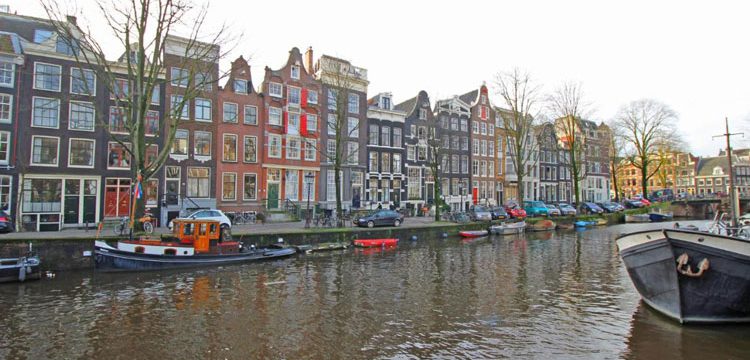
The Jordaan is the soulful heart of Amsterdam: a neighbourhood of canals, hidden courtyards, brown cafés, market stalls, folk music and stories that still linger in the streets. Once built as a working-class district on the western edge of the old city, it has grown into one of Amsterdam’s most loved areas without losing its local character. Come here for quiet canal walks, small museums, old-school Amsterdam charm and a side of the city that feels more lived-in than polished.
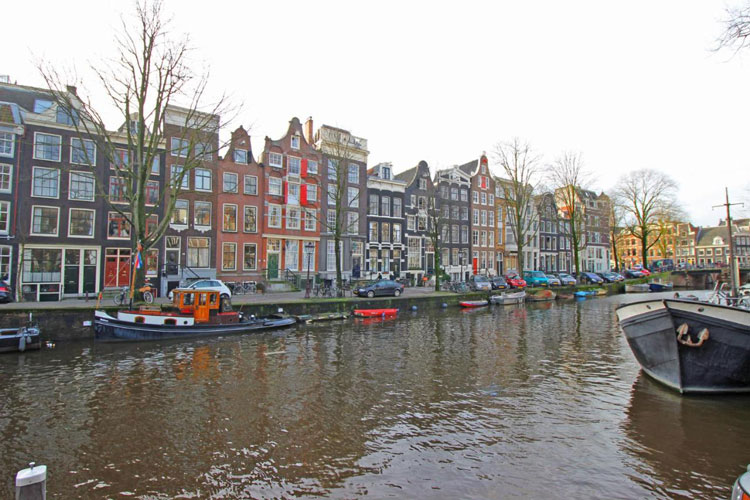
Discover the best hotels in the Jordaan
Where is the Jordaan?
The Jordaan sits just west of Amsterdam’s historic canal belt, right in the heart of the city. It is framed by some of the best-known waterways in Amsterdam, including the Prinsengracht, Brouwersgracht, Lijnbaansgracht and Leidsegracht. That central location makes it one of the easiest neighbourhoods to explore on foot. From Amsterdam Centraal Station, you can reach the northern side of the Jordaan with a relaxed walk, and once you are here, most of the appeal is in simply wandering without a strict plan.
What makes the Jordaan feel different from the grand canal belt is its layout. The streets are narrower, the rhythm is calmer and the area feels more intimate. Instead of broad, stately views, you get bridges, corner cafés, leaning houses, tiny shopfronts and sudden quiet spots that feel hidden from the rest of the city. It is one of those neighbourhoods where you should leave room to get a little lost.
The Jordaan also connects naturally with other popular parts of the centre. You can easily combine it with a visit to the Anne Frank House, a walk through the Nine Streets, or a longer stroll along the Amsterdam canals.
How to get there and how to get around
The Jordaan is easy to reach by tram or bus, especially from the central station, Leidseplein or Amsterdam Zuid. Stops around Marnixstraat and Elandsgracht are practical entry points, but once you step into the neighbourhood, public transport quickly becomes less important. The Jordaan is best experienced on foot, and cycling also works well if you are comfortable navigating Amsterdam traffic.
If you are arriving by metro, the nearest stations are outside the neighbourhood itself, so expect to finish the trip with a walk. That is no problem here, because walking is part of the experience. The streets are compact, the canals are close together and there is always something to notice, from flower boxes and old stone gable signs to local specialty shops and tiny galleries.
Driving into the Jordaan is possible, but it is rarely the smartest choice. Parking in central Amsterdam is expensive, limited and often frustrating. If you are coming by car, a parking garage on the edge of the centre or one of Amsterdam’s Park and Ride locations usually makes more sense than trying to park in the neighbourhood itself. Once you are in the Jordaan, forget the car and do the rest on foot.
The story behind the Jordaan
The Jordaan was created during Amsterdam’s major expansion in the seventeenth century. Unlike the elegant canal belt, which was designed for wealthy merchants, this area was built more for workers, craftsmen, small traders and newcomers to the city. It became a district of labor, migration, religion and survival, and that social history still shapes how people talk about the neighbourhood today.
For a long time, the Jordaan had a rough reputation. Families lived close together in cramped housing, poverty was widespread and daily life could be hard. But the neighbourhood also developed a fierce local identity. People helped each other, argued loudly, sang often and built a strong sense of belonging. That mix of hardship and pride is part of why the Jordaan still feels so different from parts of Amsterdam that are more polished or more tourist-focused.
The name “Jordaan” is often linked to the French word jardin, a reference people connect to the many flower and plant names found in the area. Streets and canals such as Egelantiersgracht, Bloemgracht and Rozengracht still reflect that tradition. Whether you come for the history or just the atmosphere, this is one of the clearest places in Amsterdam where the older city still feels tangible.
What gives the Jordaan its character
The Jordaan is loved not because it has one giant landmark on every corner, but because the whole neighbourhood works as an experience. It feels local. It feels layered. And it still has traces of the old Amsterdam working-class culture that visitors often hope to find.
One of the most recognizable parts of that culture is the brown café. These traditional pubs are warm, a little dark, usually unfussy and full of personality. In the Jordaan, they are not just places to grab a drink. They are social spaces where regulars return for conversation, music and neighbourhood gossip. Café Papeneiland is one of the best-known addresses, and Café Nol remains closely tied to the Jordaan’s folk-music identity. If you want to understand the mood of the area, spend time in a brown café instead of rushing from sight to sight.
The neighbourhood is also known for its hofjes, the quiet inner courtyards hidden behind old facades. Some are still private, some can be visited respectfully and some only open on special occasions. They are easy to miss if you do not know they are there, which is part of their charm. In a busy city centre, these enclosed spaces feel almost secret.
Markets, music and everyday life
If you want to see the Jordaan at its most lively, head to the market area around Noordermarkt and Lindengracht. This part of the neighbourhood pulls together locals, visitors, food lovers and treasure hunters in a way that feels energetic without becoming overwhelming.
Noordermarkt is especially popular for its mix of atmosphere and quality. Depending on the day, you will find fresh produce, flowers, bread, organic goods, vintage pieces and second-hand finds. Close by, Lindengrachtmarkt stretches the market feeling further into the neighbourhood and gives the area a more everyday, local rhythm. It is a good place to pick up snacks, browse casually and get a sense of how the Jordaan works beyond the postcard image.
Music also belongs here. The Jordaan has long been linked to Amsterdam folk songs and singers who gave voice to the neighbourhood’s humour, sentiment and directness. Even if you do not speak Dutch, that musical tradition still shapes the area’s identity. During local events and festival weekends, the Jordaan can feel like one big street-level stage, with singalongs, terraces and spontaneous sociability.
Things to see in and around the Jordaan
One of the most important landmarks is the Westerkerk, the striking Protestant church beside Prinsengracht. It is deeply tied to Amsterdam’s history and to the emotional geography of the neighbourhood. The church itself is worth seeing from the outside and, when open, from within as well. The tower is one of the city’s most recognizable silhouettes, although visitor access is not always available, so it is smart to check current access before planning your day around it.
Just around the corner you will find the Anne Frank House, one of the most meaningful and visited places in Amsterdam. It is technically just outside the Jordaan proper, but it belongs to any serious walk through this part of the city. If it is high on your list, book your visit in advance and plan the rest of your Jordaan walk around it.
Noorderkerk is another key local landmark, especially because of its position beside the market square. It is less dramatic for first-time visitors than the Westerkerk, but it feels very grounded in neighbourhood life and adds depth to the historical setting of Noordermarkt.
If you enjoy smaller museums, the Jordaan has several good options. The Houseboat Museum gives you a look at life inside one of Amsterdam’s floating homes. The Amsterdam Tulip Museum is compact but easy to visit and works well if you want something light and interesting. The Pianola Museum is one of those places that feels wonderfully niche, exactly the sort of small cultural stop that suits the Jordaan.
The people and legends of the Jordaan
A “real” Jordanees is often described as outspoken, funny, loyal and impossible to intimidate. That image is part myth, part social history and part neighbourhood pride. The Jordaan has always been associated with people who say what they think, look after their own and turn hardship into humour. That spirit still survives in the way locals talk, gather and defend the neighbourhood’s identity.
Several famous Dutch singers are closely connected to the area, including Johnny Jordaan and Tante Leen. Their music helped turn the neighbourhood into a symbol of old Amsterdam popular culture. You still feel that legacy today in local references, statues, café playlists and festival programming. Even as the Jordaan has become more expensive and more internationally known, it has not fully lost its voice.
How to experience the Jordaan well
The best way to enjoy the Jordaan is not to overplan it. Start early, before the streets are at their busiest, and walk the canals slowly. Brouwersgracht is one of the prettiest edges of the neighbourhood, while the smaller canals and side streets inside the Jordaan are where the mood becomes more personal. Wander through Westerstraat, explore the lanes around Egelantiersgracht and Bloemgracht, and let yourself stop often.
Take time for coffee, apple pie or a casual lunch rather than treating the neighbourhood as a checklist. The Jordaan rewards people who slow down. This is also a great area to combine with a canal cruise later in the day, especially if you want to see how the district sits within the wider historic city. For more ideas, browse the site’s guide to Amsterdam markets or its overview of museums in Amsterdam.
If you visit during a major city celebration such as King’s Day, expect the Jordaan to be far busier and louder than usual. That can be great fun if you want full-on Amsterdam energy, but for a quieter experience, choose an ordinary weekday morning or early evening instead.
Why the Jordaan still matters
The Jordaan remains one of the best places in Amsterdam to understand that the city is more than canals and famous museums. It is a neighbourhood shaped by workers, migrants, protest, music, faith, trade and everyday life. Yes, it is beautiful. Yes, it is popular. But what makes it memorable is that it still feels like a real district with memory and personality.
If you want polished shopping streets and easy photo spots, you will find those nearby. But if you want Amsterdam with more texture, more local atmosphere and more stories behind the facades, the Jordaan is where to go. Walk it slowly, look beyond the main canals and give the area enough time to reveal itself. That is when the Jordaan is at its best.
Discover the best hotels in the Jordaan
For more neighbourhoods, parks and day trips, continue to Amsterdam neighbourhoods and day trips.