

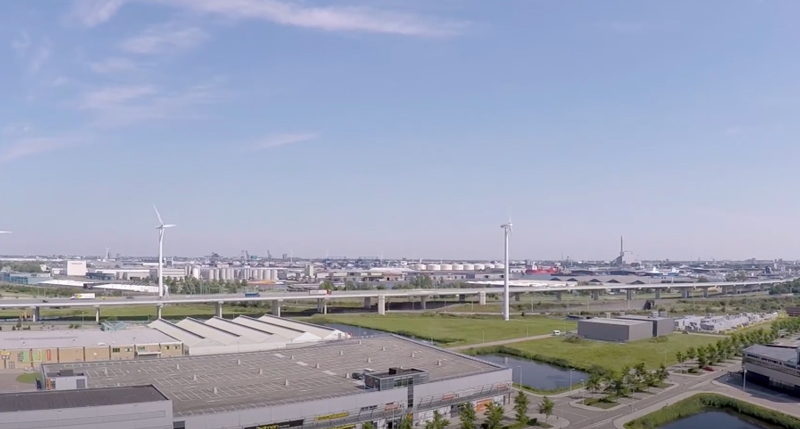
Westpoort might not be the first place you think of for a day out in Amsterdam, but this vast port area has its own raw charm. It is the city’s largest district, covering almost a third of the total surface, but with hardly any permanent residents. Here, everything revolves around ships, cranes, containers, and activity. Yet you’ll also find surprising spots where you can pause, look out over the water, and experience the impressive scale of Amsterdam’s harbour.
Location and Accessibility of Westpoort in Amsterdam
Westpoort is located in the west of Amsterdam, directly bordering the North Sea Canal. The area stretches from the edge of Sloterdijk to the locks at IJmuiden. Its location makes it ideal for shipping and logistics.
You can easily reach Westpoort by car via the A5 and A10 motorways, which connect directly to the main roads through the harbour area. Rail transport is also important: Amsterdam Sloterdijk station sits on the edge of Westpoort and is a key hub for trains, buses, and trams.
There are cycle routes along the water, but keep in mind there’s a lot of lorry traffic. It’s not an area for a leisurely stroll, but well worth a purposeful visit.
Atmosphere and Character
Westpoort feels completely different from the rest of Amsterdam. No canal houses or bustling terraces here, but wide roads, stacks of containers, and imposing cranes. The air sometimes smells of oil or metal, and everywhere you hear the sounds of working machinery.
Yet this industrial environment has something fascinating. Here, you see the engine of the city’s economy in action. Ships from all over the world dock, lorries come and go, and trains transport goods inland.
In some spots, such as along the quays at Minervahaven, you can pause and enjoy the view across the IJ. Especially at sunset, this provides some truly impressive sights.
Main Functions and Economic Activity
Westpoort is the economic heart of Amsterdam’s port. Here you’ll find handling companies for containers, coal, oil and other bulk goods. There are also major distribution centres, power plants and refineries.
The Port of Amsterdam is among the largest seaports in Europe. Every year, tens of millions of tonnes of goods are processed here, making Westpoort crucial for the city and regional economy.
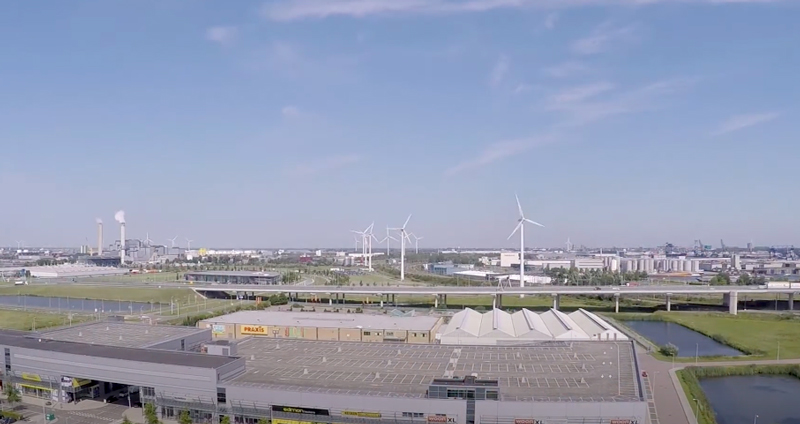
Alongside traditional industry, there’s increasing space for sustainable initiatives. Think of companies focused on the circular economy, city logistics and renewable energy. You’ll also see several wind turbines and solar panels on business rooftops in the area.
Sights and Points of Interest
Although Westpoort isn’t a classic tourist hotspot, there are places worth seeing—especially if you’re interested in industry, shipping or photography.
One example is the Havenroute, a driving route along different parts of the port. Along the way, you’ll pass terminals, shipyards, and viewpoints. The route is especially interesting for those who want to experience the scale of the area.
The nearby Port Information Centre in the Havengebouw also provides insight into the history and operation of the port. Here, you can view interactive maps and find up-to-date information on ship movements.
Food and Drink in Westpoort
Since Westpoort is primarily a working area, you won’t find much catering aimed at tourists. Most eateries are focused on dockworkers and lorry drivers. This often means hearty, simple meals at reasonable prices.
A well-known spot is Havenbar at Minervahaven. Here you can get coffee, lunch, or a drink with a view of the water. The clientele is a mix of port workers and visitors wanting to soak up the atmosphere.
There’s also more choice near Sloterdijk station, just outside Westpoort. Here, you’ll find everything from quick snacks to international cuisine—convenient as a start or endpoint for your visit.
Activities and Guided Tours
If you really want to get to know Westpoort, a guided tour is highly recommended. Several companies offer harbour cruises departing from central Amsterdam or from the port itself.
During such a tour, you’ll sail past massive ships, cranes, and transfer terminals. A guide tells you about the port’s history, current activity, and future plans.
Cycling tours are also possible, often with a guide to safely lead you past the most interesting spots. This way, you’ll discover parts of Westpoort you might not otherwise find.
Westpoort and Sustainability
The Port of Amsterdam is strongly committed to sustainability. In Westpoort, you’ll find projects focused on cleaner energy and the circular economy. For example, there’s work on shore power facilities, allowing ships to switch off their engines while docked.
Increasingly, bio-based and recycled raw materials are being processed here. Companies in the area experiment with new techniques to reduce waste and use energy more efficiently.
These developments make Westpoort not only important for the economy, but also for the city’s transition towards sustainability.
Tips for Visiting
Plan your visit in advance, as Westpoort is vast and spread out. Without a clear route, you’ll quickly miss the interesting spots.
Take a camera if you enjoy industrial photography—the combination of steel, water, and sky often produces stunning images.
It’s best to come by car or bike. Public transport gets you as far as Sloterdijk, but there are few buses within the port area itself.
So, What Can You Expect from Westpoort Amsterdam?
Westpoort is not the place for those seeking cosy cafés or historic streets. It’s an area where work goes on, day and night. Still, it has its own appeal, precisely because of its raw, industrial vibe.
Anyone who takes the time to explore Westpoort will discover a side of Amsterdam that’s often hidden. Here, you see how the city is connected to the world through ships, trains, and lorries.
Whether you come for a harbour tour, a photo trip, or simply out of curiosity: Westpoort lets you experience Amsterdam in a completely different way.