
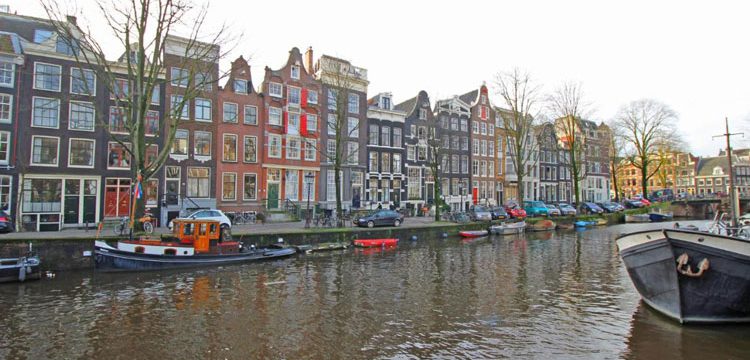
The Jordaan is the soulful heart of Amsterdam: a labyrinth of canals, hofjes, folk culture and hidden history. Nestled within the city’s 17th-century canal belt, this neighborhood remains a true testament to Amsterdam’s working-class roots and creative spirit. In this article, you’ll discover the Jordaan’s origins, culture, landmarks, insider tips, local heroes, and modern-day charm.
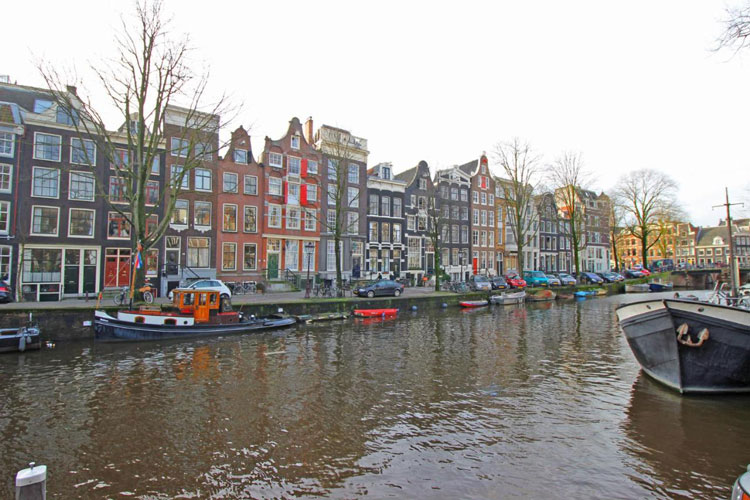
Discover the best hotels in the Jordaan
Where is the Jordaan? Location & Layout
Centrally located on the western side of Amsterdam’s city center, the Jordaan is defined by its beautiful borders: Prinsengracht, Lijnbaansgracht, Brouwersgracht, and Leidsegracht. Its maze of narrow streets and flower-named canals are easily explored on foot, and the neighborhood lies just a 15-minute walk from Amsterdam Centraal Station. This central position puts you within reach of highlights like the Anne Frank House and the picturesque “Nine Streets” shopping quarter.
While the city’s iconic canal belt features grand, straight-lined avenues, the Jordaan is wonderfully intimate and full of surprises. The patchwork of streets, bridges and hidden gardens has barely changed since the 17th century, making every walk feel like a step back in time.
Getting Around: Public Transport, Metro, and Parking
Thanks to its central location, the Jordaan is very accessible by public transport. Tram lines 5, 13, 17, and 19 all stop along the lively Marnixstraat, right on the edge of the district. Hop off at stops like Elandsgracht or Marnixplein for a quick stroll into the heart of the neighborhood. If you’re arriving by metro, the Noord/Zuidlijn (Metro 52) brings you to Rokin station, just 15-20 minutes’ walk away. For up-to-date route planning and ticket info, many locals use the 9292 journey planner.
Buses from Amsterdam’s wider region and Schiphol Airport arrive at the nearby Elandsgracht bus station, a short walk from the Jordaan’s southern edge. Once inside the Jordaan, you’ll find that walking or cycling is truly the best way to discover the area’s charm. Bike routes connect easily to the rest of the city, especially via the leafy Marnixstraat or scenic Brouwersgracht.
Parking in the Jordaan: Prices & Tips (2025)
Like most of central Amsterdam, parking in the Jordaan is both pricey and scarce. On-street parking costs €7,50 per hour in 2025 and is usually reserved for permit holders or short-term visitors. Your best bet is to use a secure parking garage just outside the district, such as Q-Park Europarking on Marnixstraat (about a 5-minute walk; €6 per hour or €54 for 24 hours).
For a budget-friendly option, Amsterdam’s Park+Ride (P+R) system allows you to park on the city’s outskirts (like Sloterdijk or Noord) and continue by metro or tram for just €1 to €6 per 24 hours. Simply follow the signs to the nearest P+R and enjoy a stress-free ride into the city center.
All in all, public transport or cycling is the way to go if you want to experience the Jordaan like a true local.
The Story of the Jordaan
From Working-Class Roots to Cultural Icon
The Jordaan was established during Amsterdam’s massive city expansion in the early 17th century, specifically to house artisans, dockworkers, and waves of immigrants such as French Huguenots and Jewish families. The neighborhood’s name is thought to come from the French word “jardin,” reflecting the abundance of flower- and tree-named streets like Rozengracht and Egelantiersgracht. As you wander these lanes, you’ll spot hidden hofjes—peaceful inner courtyards built as almshouses for the elderly, many of which can still be visited today during special open days or summer concerts.
For much of its history, the Jordaan was notorious for its overcrowded slums. Around 1900, up to 80,000 residents were packed into this small area, often living in cramped, unsanitary conditions. But despite the hardship, a strong sense of community and pride flourished. Throughout the 20th century, figures like Helena Mercier spearheaded social reforms, while the neighborhood became legendary for protests like the “Jordaanoproer” (Jordaan Riots) in the 1930s.
In the postwar years, the area’s cheap rents attracted artists, musicians, and students—kickstarting the Jordaan’s transformation into a creative hub. Its bohemian energy is still felt today, with galleries, live music, and cozy cafés around every corner.
Cultural Life & Neighborhood Spirit
The Jordaan is synonymous with authentic Amsterdam culture. Step into a classic brown café such as Café Nol, Café Papeneiland, or ‘t Smalle, and you’ll likely hear locals singing old “levensliederen” (Dutch folk songs). These legendary establishments double as living rooms for the community, where everyone from young creatives to lifelong residents comes together for music, laughter and strong opinions. The walls of the Jordaan are dotted with decorative stone plaques depicting the trades and stories of former residents, a nod to the neighborhood’s artisanal past.
Each week, the Jordaan’s atmosphere comes alive at the Lindengrachtmarkt and Noordermarkt. On Saturdays, you’ll find everything from organic produce to antiques and freshly baked bread. Mondays at the Noordermarkt are perfect for vintage-hunters and bargain-seekers. A true neighborhood highlight is the annual Jordaan Festival each September, when open-air stages host live folk music, street food, and spontaneous singalongs. For details and the latest dates, check out the Jordaan Festival website.
You’ll also find an unmatched concentration of hofjes—hidden gardens and almshouses that offer a peaceful escape from city bustle. Some, like the Sint Andrieshofje, welcome visitors during the summer months or on special open days. During these times, you might catch an intimate classical or jazz concert echoing through the courtyards.
Landmarks & Hidden Gems
- Westerkerk: This 17th-century church is one of Amsterdam’s architectural masterpieces. Climb the Westertoren for an incredible city view, or step inside to visit Rembrandt’s resting place.
- Noorderkerk: The heart of the Noordermarkt and a site of historic protests, now surrounded by vibrant markets and local cafés.
- Anne Frank House: Just outside the Jordaan on Prinsengracht, the Anne Frank House remains a must-see. Tickets must be reserved in advance at the official Anne Frank House website.
- Houseboat Museum, Pianola Museum and Amsterdam Tulip Museum: All quirky, local museums offering a glimpse of Amsterdam’s creative side.
Who is a Typical Jordanees?
Ask any Amsterdammer, and they’ll tell you: a real Jordanees is proud, witty, and unfiltered—a true “people’s person.” Historically, Jordanezen were working-class locals known for their strong community bonds, quick banter, humor and generosity. Their unmistakable Amsterdam accent and love for music still fill the streets and cafés today.
Famous folk singers like Johnny Jordaan, Tante Leen, and Willy Alberti gave the neighborhood a voice that lives on in annual festivals, statues (such as at the Johnny Jordaanplein), and in the spirit of today’s residents. Whether you’re talking to a lifelong local or a new arrival, you’ll sense the welcoming, down-to-earth vibe that makes the Jordaan unique in all of Amsterdam.
Insider Tips & Local Experiences
- Keep an ear out for impromptu canal concerts in the summer—often you can simply follow the sound of music drifting over the water.
- King’s Day (April 27) turns the Jordaan into one giant open-air party, with food stalls, music, and dancing on every bridge.
- For an authentic taste, try Dutch apple pie at Café Papeneiland or a fresh herring from one of the local fish stands.
- Wander or bike through Eerste and Tweede Tuindwarsstraat, where every corner reveals boutique shops and hidden history.